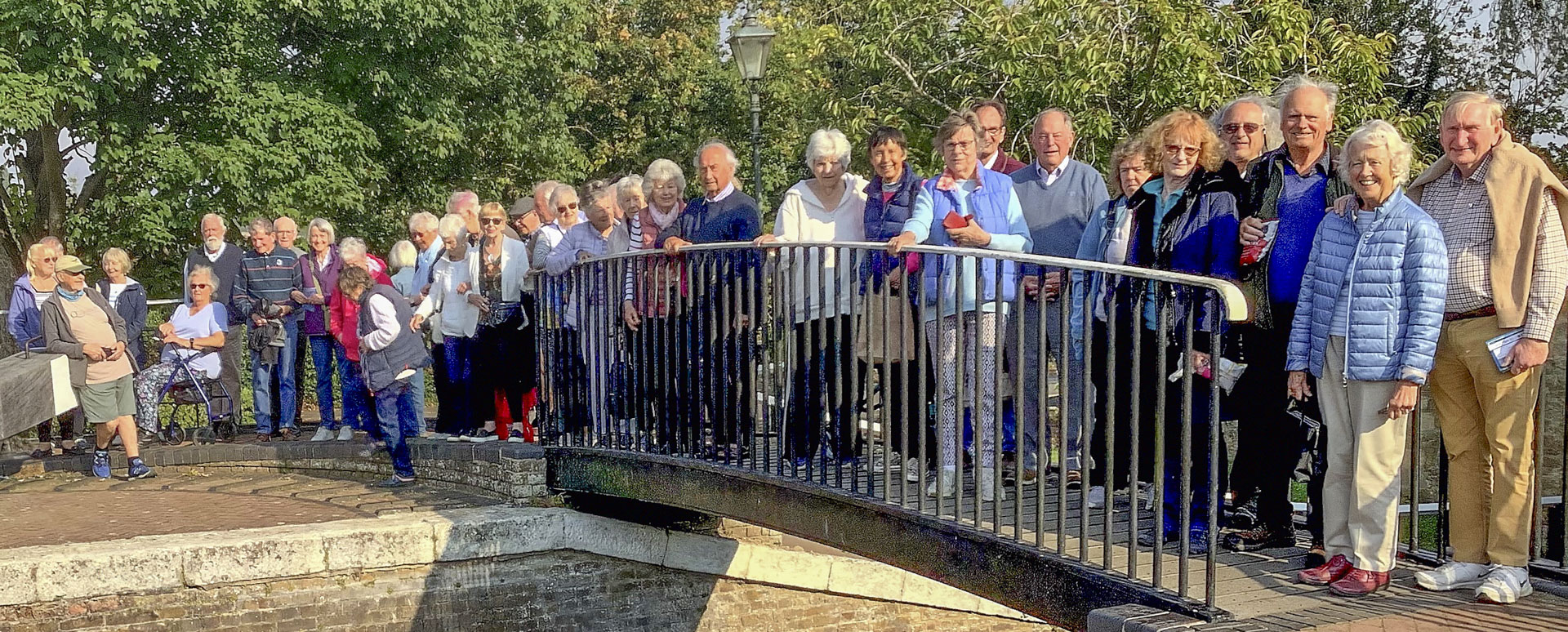
The 2024 Holiday group at the Canal Museum, Stoke Bruerne
Early on a Sunday morning in September, 38 members of Hartley Wintney u3a departed from the Victoria Hall in a luxury coach bound for Buxton in Derbyshire for a five-day holiday exploring the delights of the Derbyshire Peak District.
This was our tenth such holiday; we have previously visited North Wales, Suffolk, Worcestershire, Devon/Cornwall, Lincolnshire, North Yorkshire, Norfolk, Kent, Gloucestershire and this year Derbyshire. All have been very popular and well received.
Lynn and I have thoroughly enjoyed organising these holidays, but we have been very glad to share the hosting with Tim and Angela Southern who have worked with us for the last two years. Now, we feel that the time has come to hand over the reins to Tim and Angela who will be organising the 2025 holiday supported by Madeleine and Pavel Kudlac.
The group photograph was taken on the last day at the Stoke Bruerne Waterways Museum and everybody was in the frame except for Paul (behind the camera) and our coach driver Sarah who was busy having an altercation with a local resident who had taken exception to the coach being parked outside her house!
We will still be going on the holiday and, having seen the itinerary are looking forward to it very much!
Tony Woods
Sunday
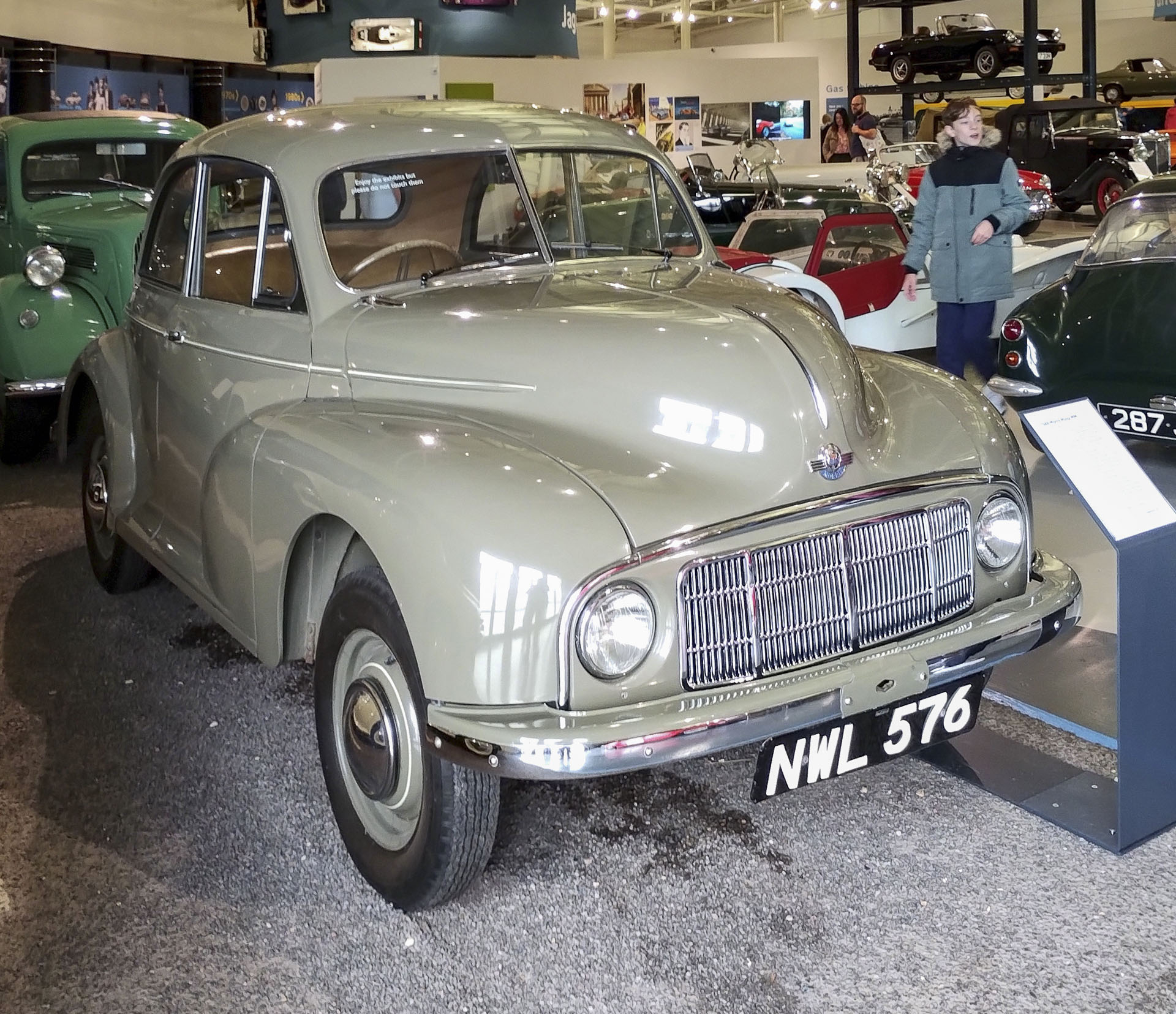
British Motor Museum
From its earliest days the British motor industry has been a vital part of the economy and the lives of people living in the Midlands and it is still a hub for automotive creativity today. The Museum tells the story of the birth, decline and rebirth of the motor industry and the cars it produced, as well as celebrating the skills and creativity of the people who designed and built them.
Many of us looked for, and found, examples of cars we once owned.
Trentham Gardens
On our visit we encountered the only heavy rain of the holiday so most simply visited the variety of outlets and the excellent restaurant.
There are no photographs of the gardens because of the appalling weather! Fortunately, it cleared overnight, and we had exceptionally good conditions for the rest of the holiday.
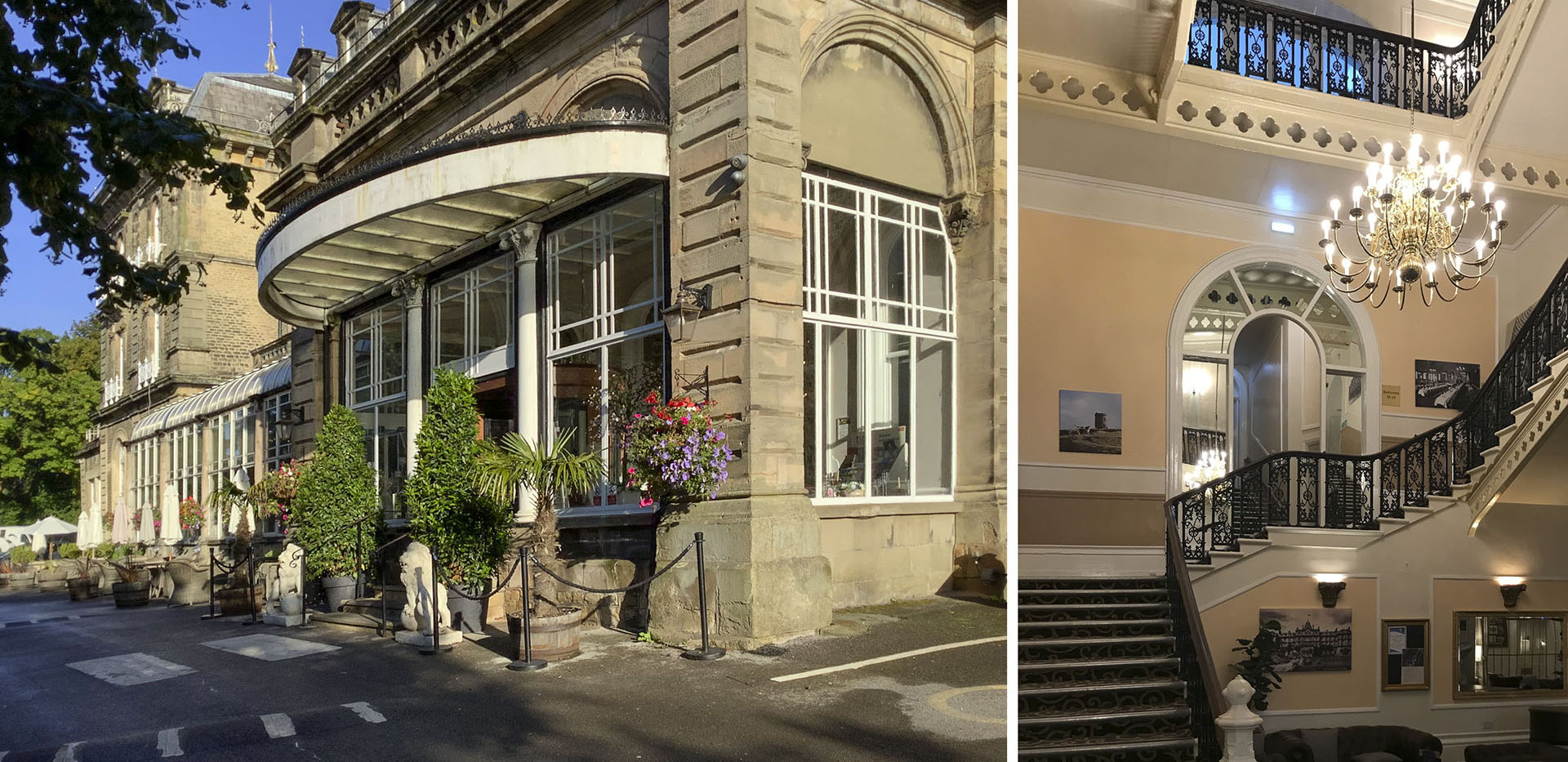
Palace Hotel, Buxton
We stayed at this imposing hotel which is beautifully situated in the heart of Buxton.
The hotel has been a prominent building in Buxton since 1868 and is set in five acres of stunning landscaped gardens.
Monday
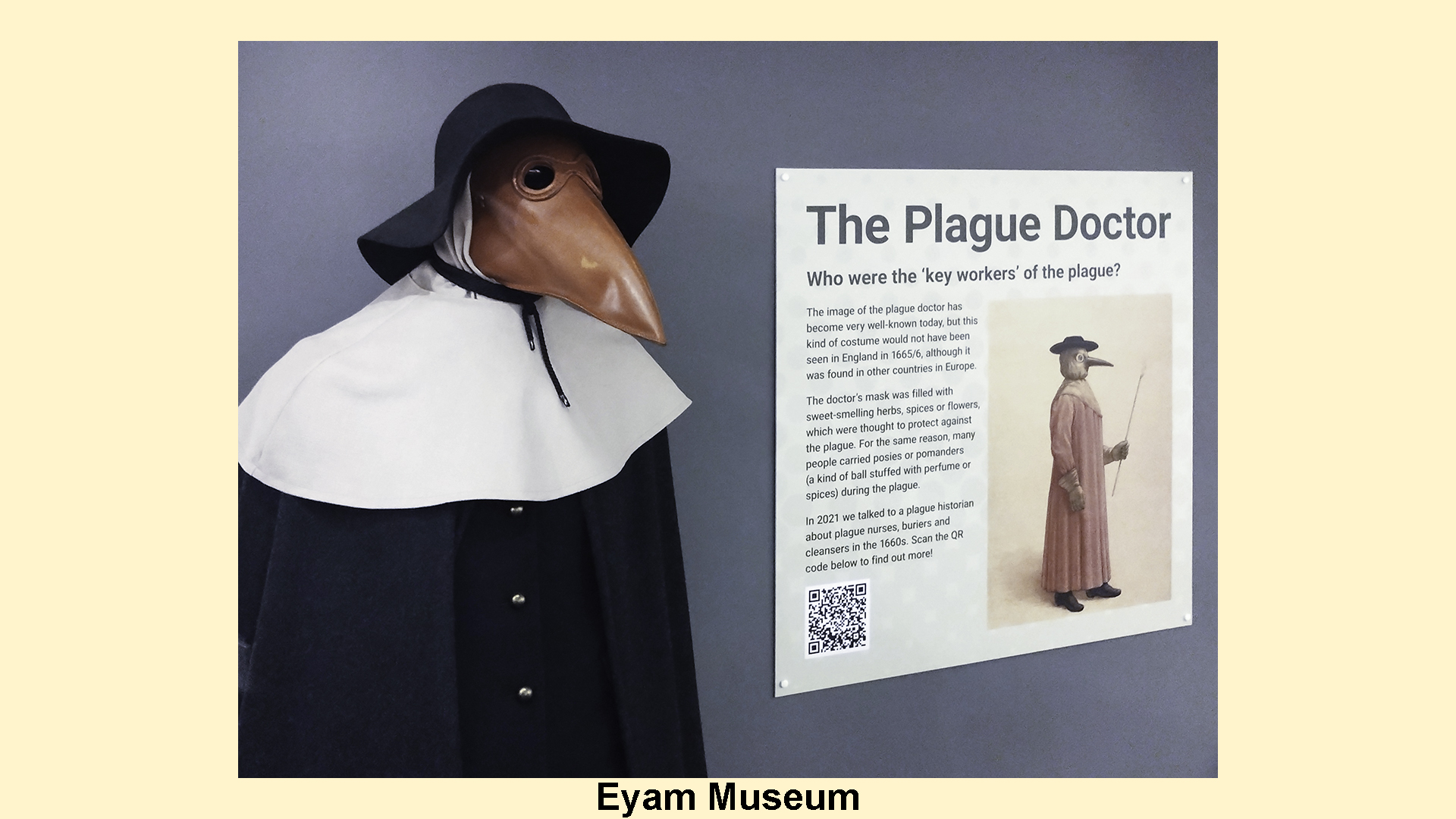
Eyam Village and Museum
Eyam (pronounced 'eem') became famous after the Black Death of 1665 and 1666.
An outbreak of the plague was contained when the villagers decided to isolate themselves from the surrounding communities. Many people in the village died. It is also known that some of the village population were genetically unique and naturally immune to this very deadly disease. There are still descendants of this line in Eyam.
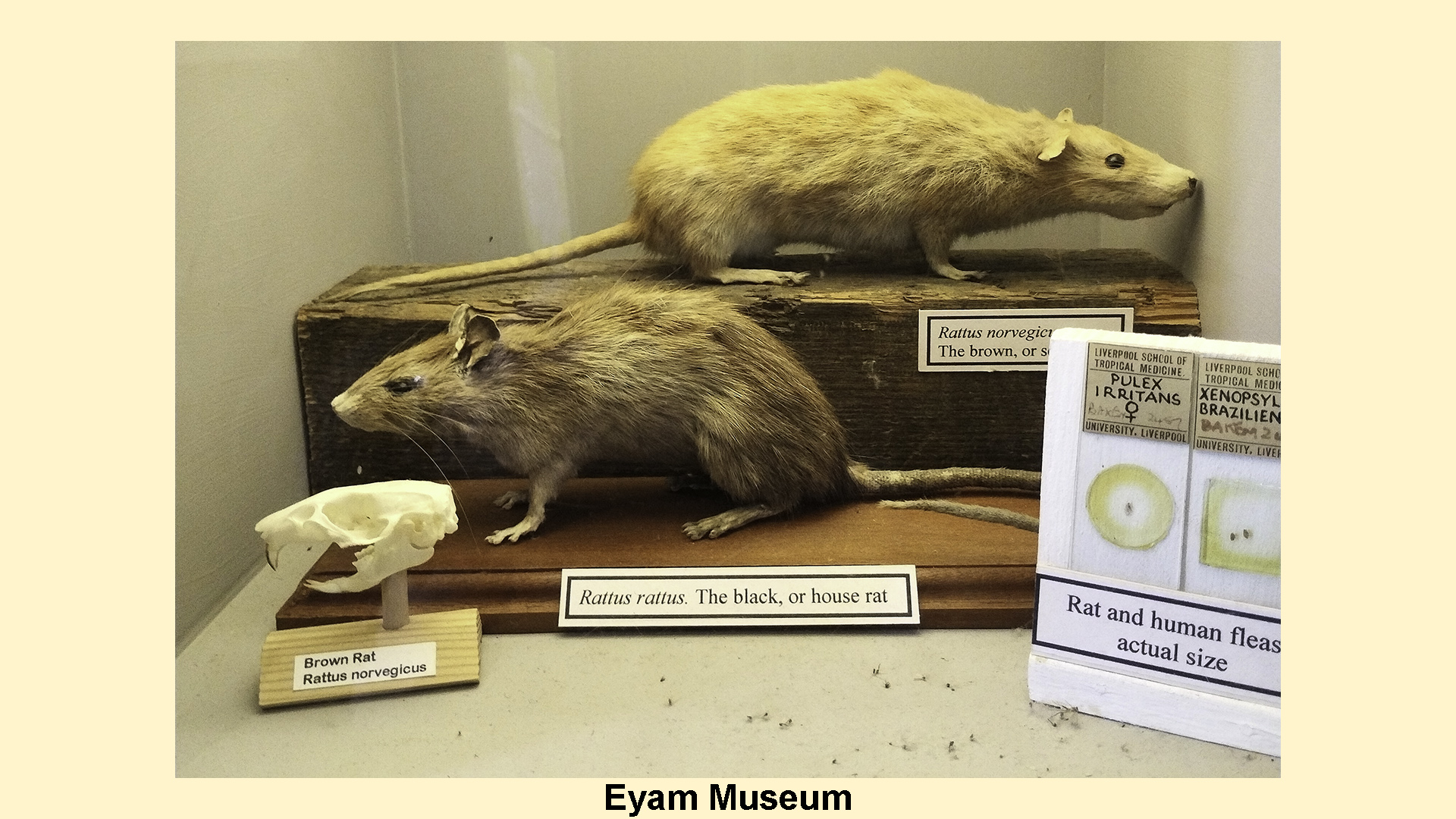
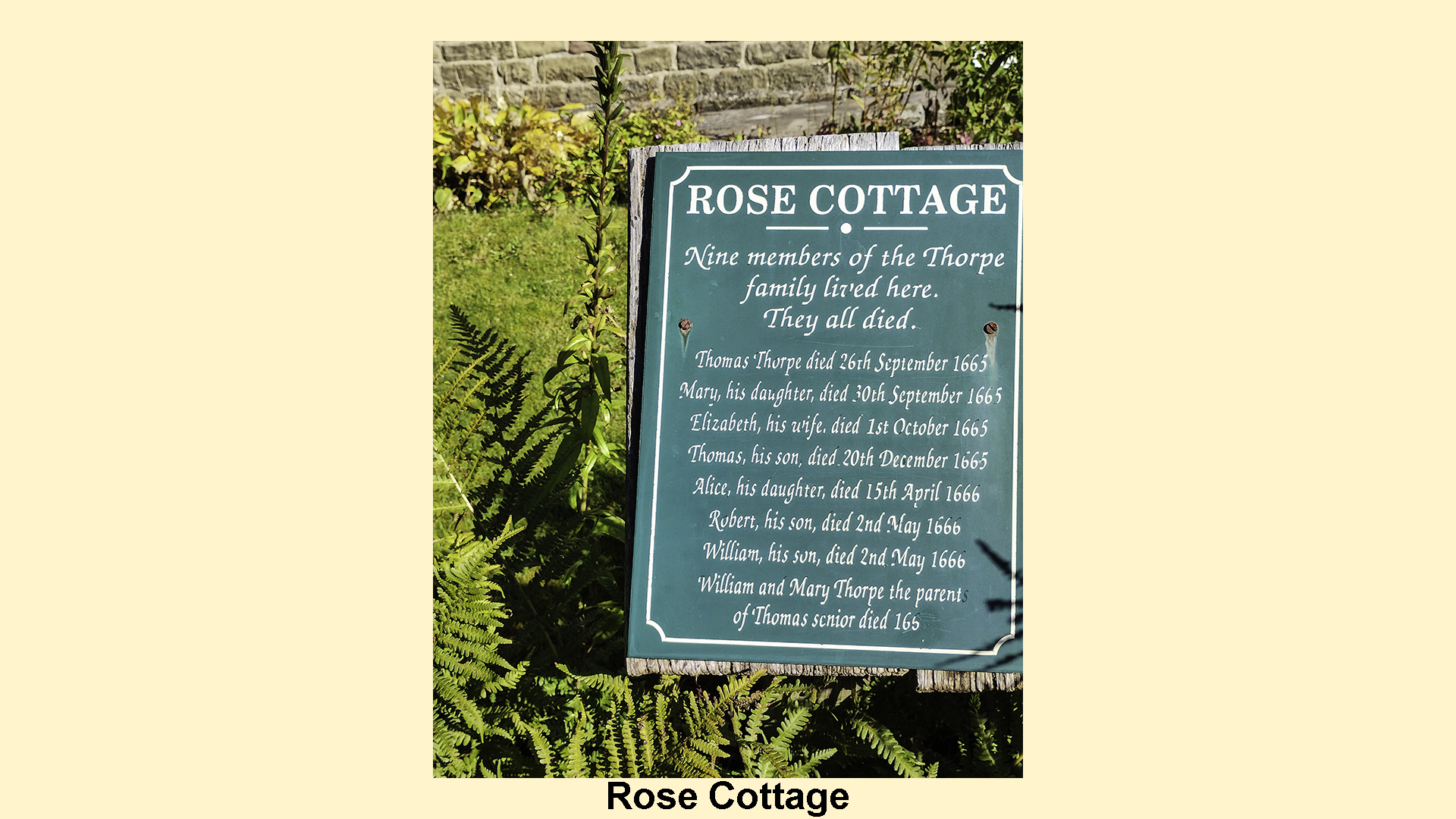
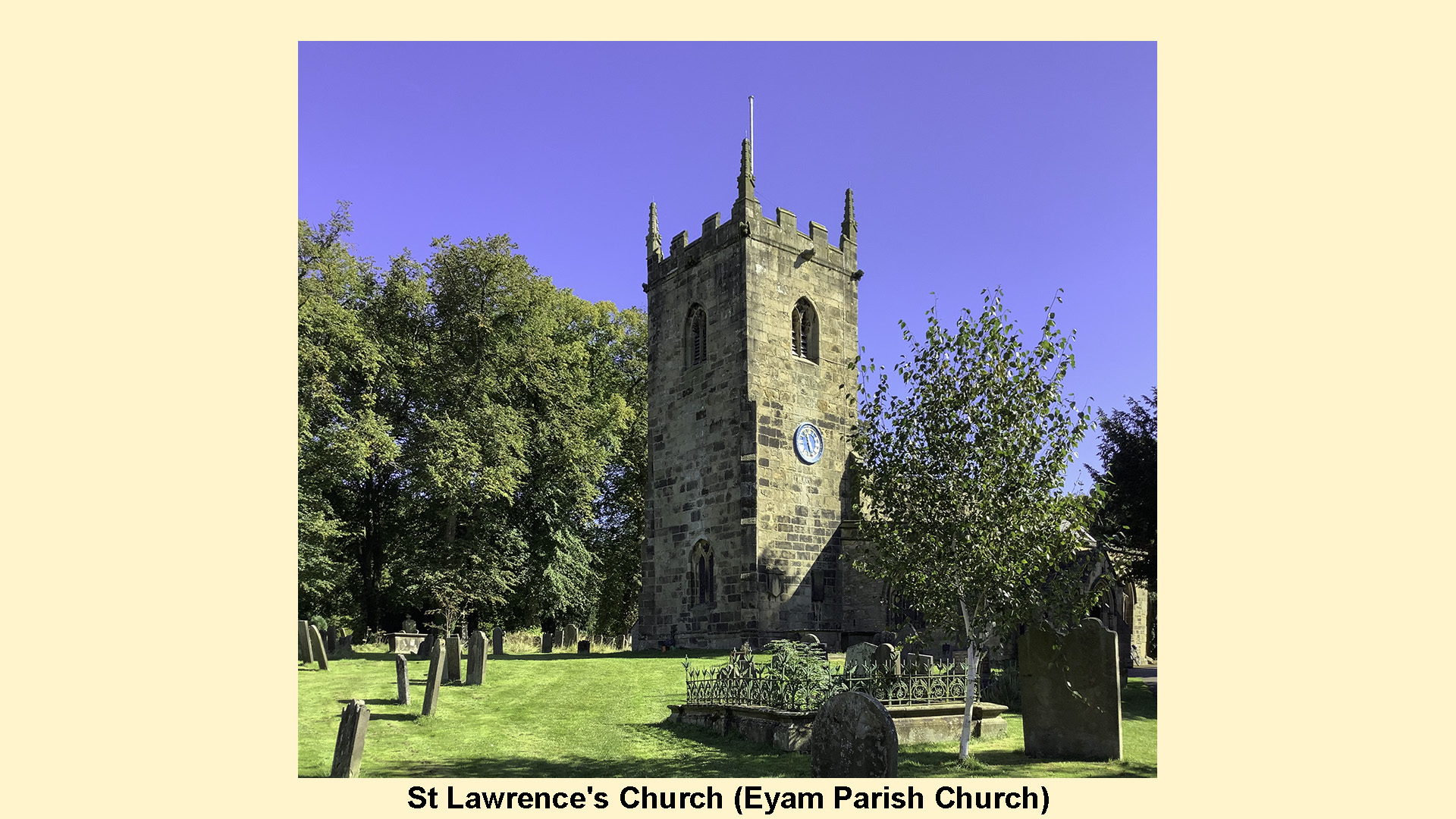
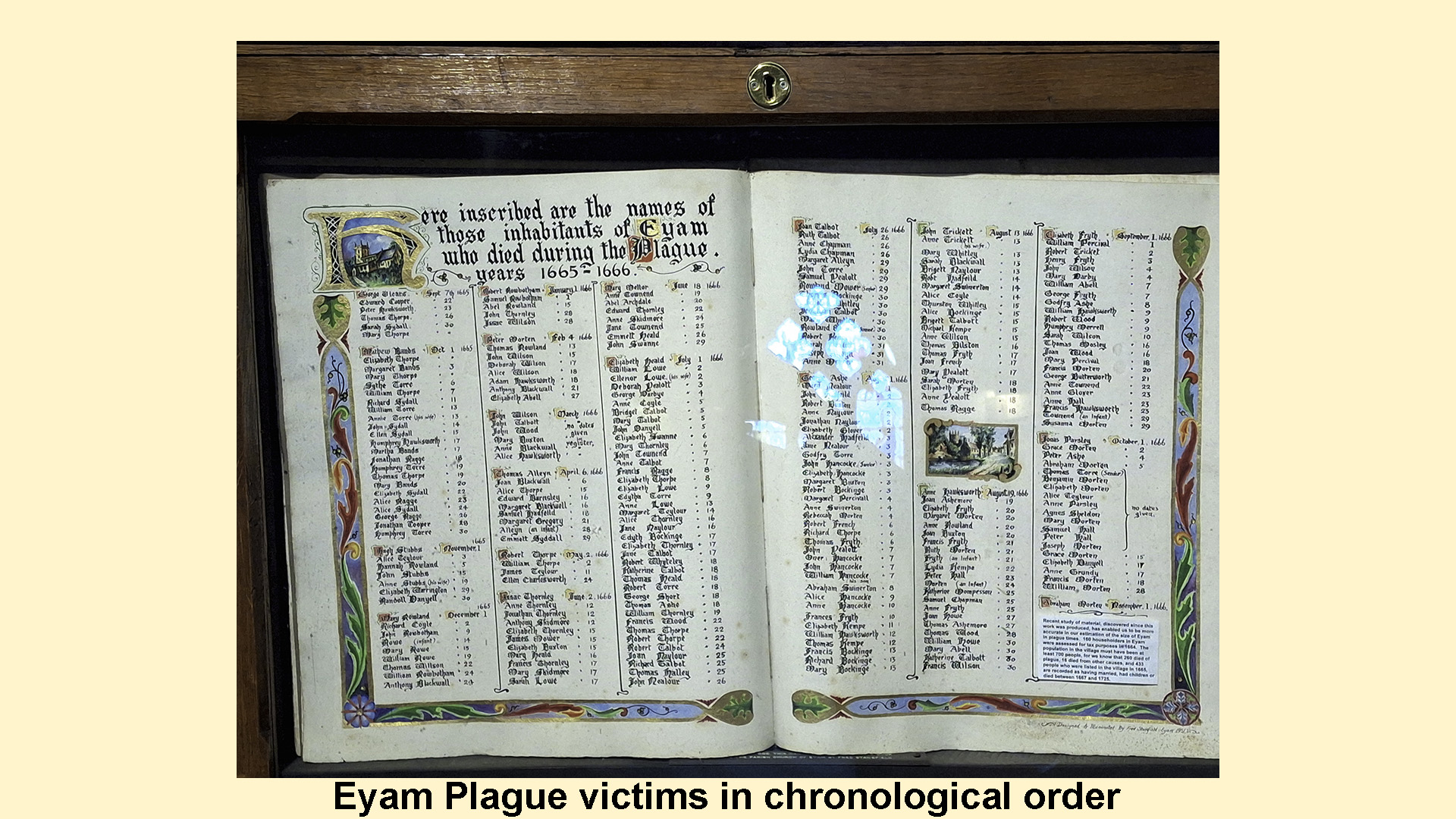
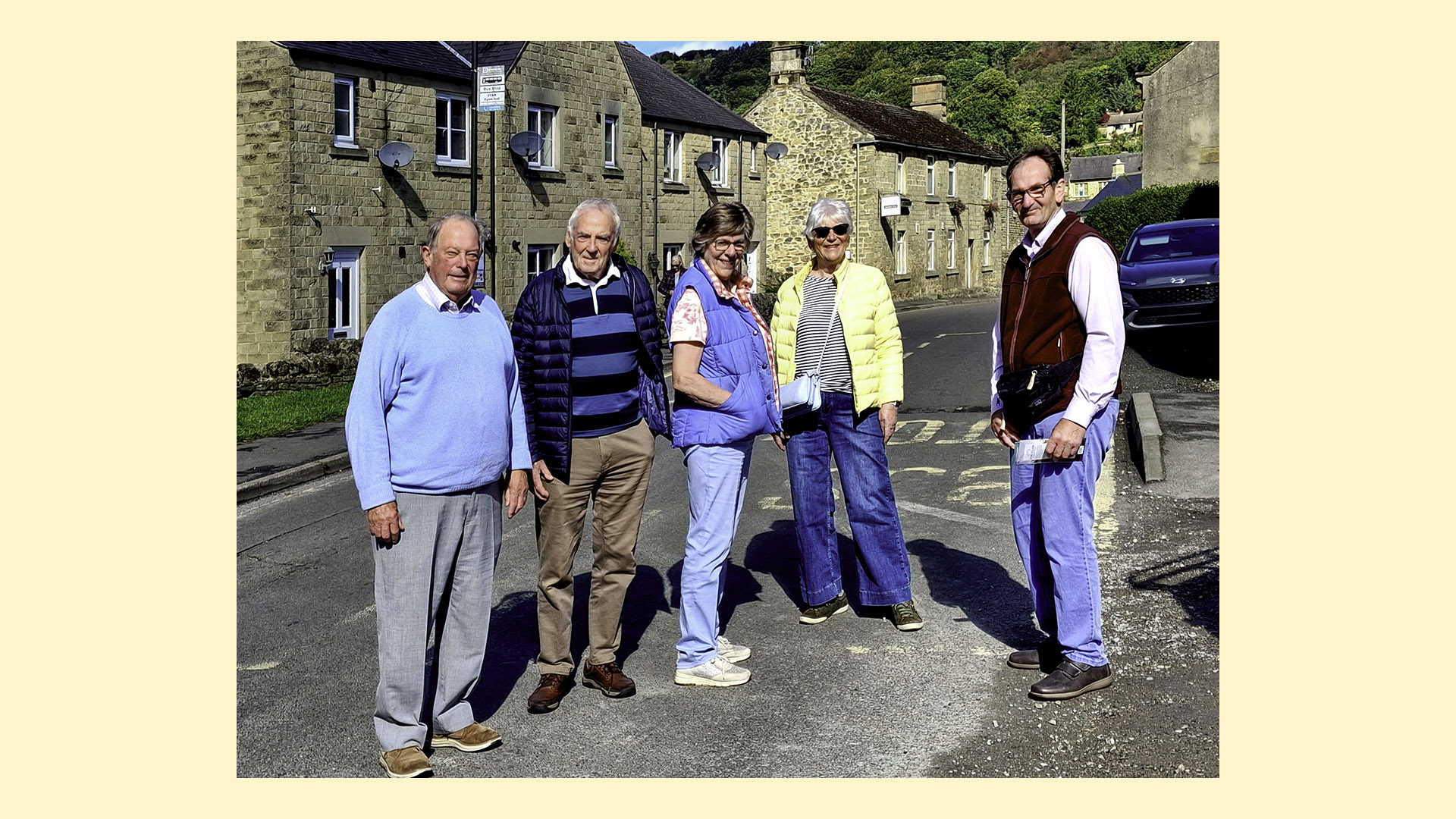
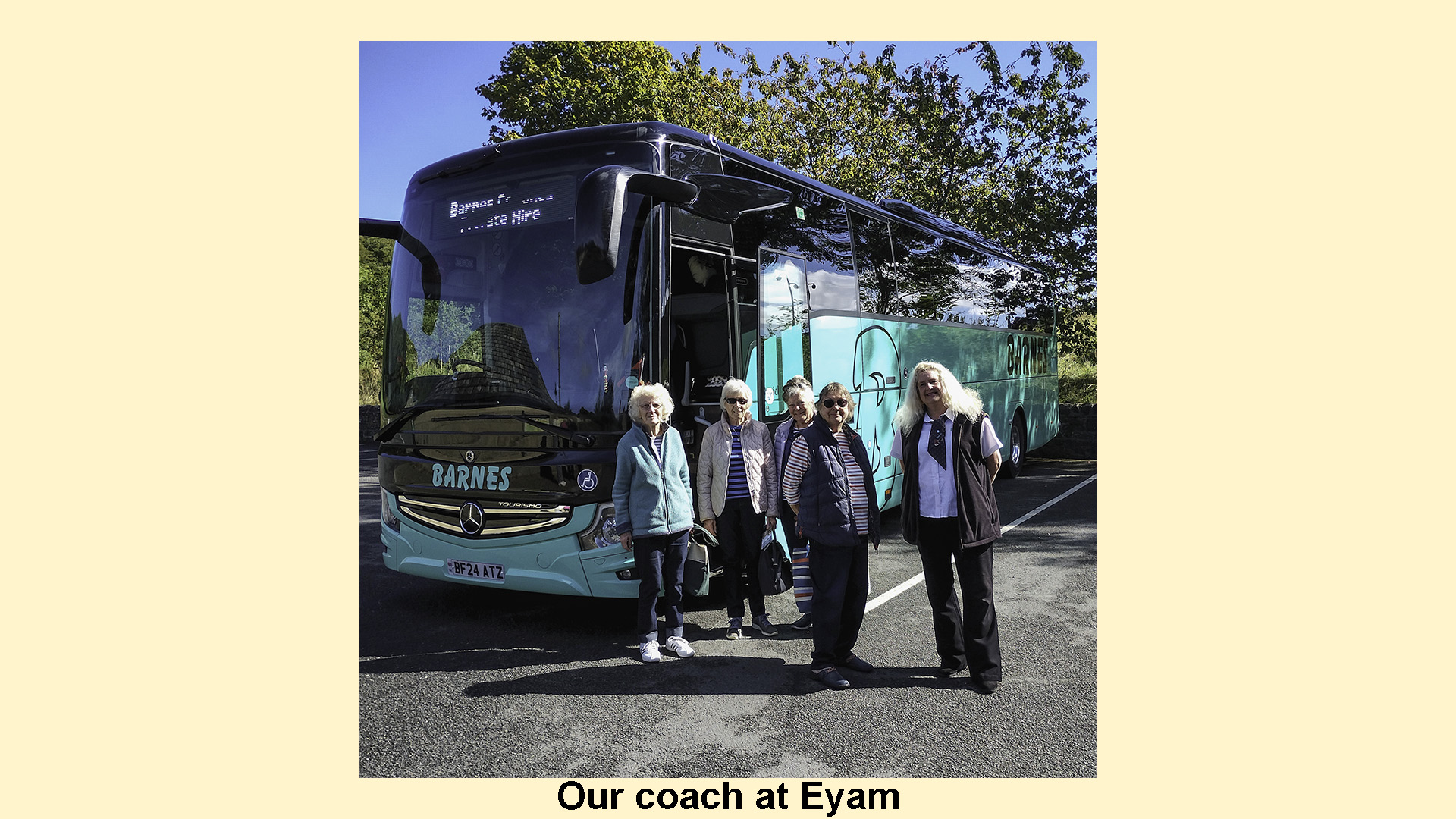
Village life in Britain has changed considerably in the past fifty years, and many villages have emptied as people moved away to the towns. Eyam however still has a vibrant community and thriving businesses.
Chatsworth
One of the great stately homes and too large to see in one or even two days. The house which has been owned by the Devonshire family for
17 generations contains one of Europe’s most significant art collections. The gardens were mainly designed by Capability Brown and feature modern and historic waterways with the very impressive fountain driven by gravity! There is also a Victorian rock garden, arboretum, grotto etc.
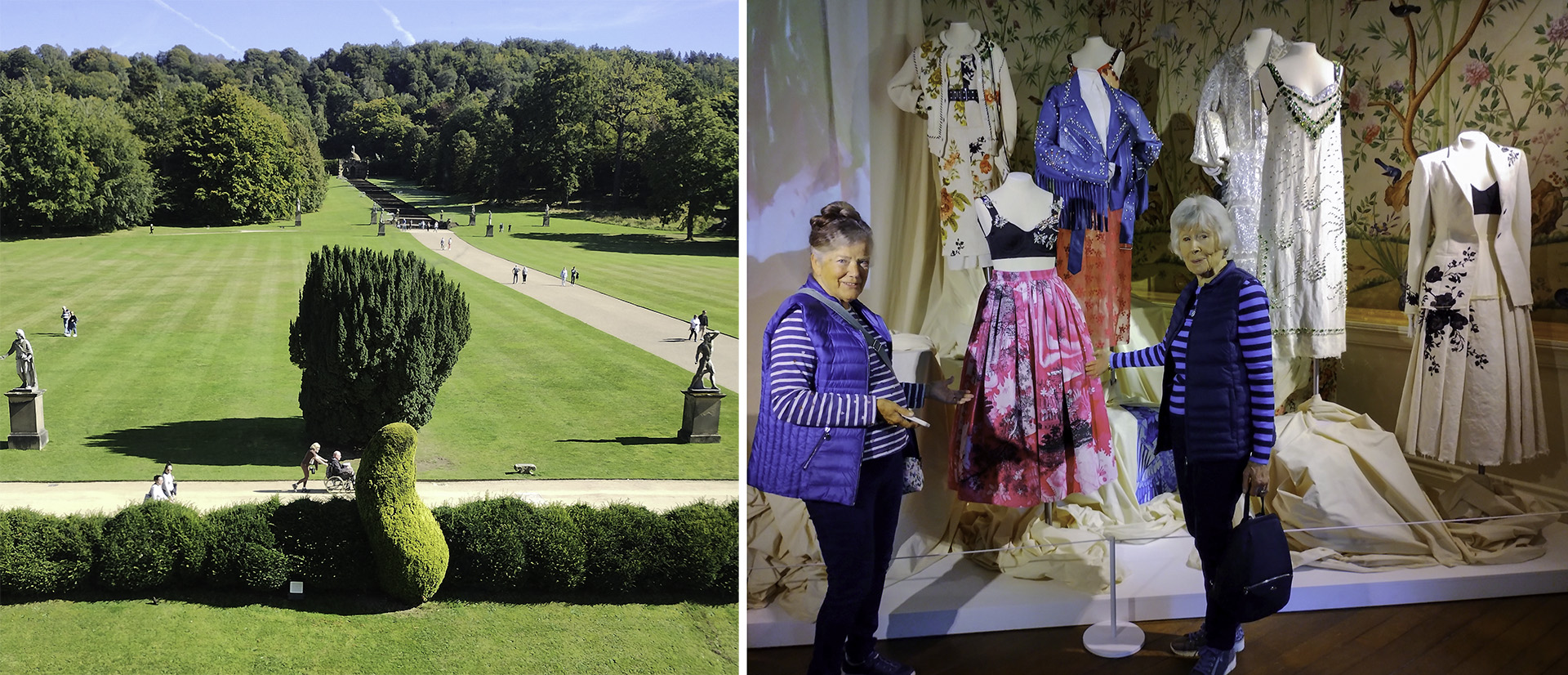
We enjoyed the exhibition by designer Erdem Moralıoğlu showcasing the making of his spring/summer 2024 collection.
Tuesday
Crich Tramway Museum
Crich Tramway Village is home to the National Tramway Museum, with more than 60 vintage trams in airy exhibition halls. We explored the beautifully recreated period village, complete with a vintage pub, café and olde-worlde shops. Several of the trams run through the village. We took rides for more than a mile into the surrounding countryside, with stunning views of the surrounding Derwent Valley.
One of the most surprising things about this museum is that it is located so high up in the Peak District – all sixty historic trams and all the supporting exhibition items had to be hauled up several hundred feet on very narrow roads and are in a windy rural location rather than an urban setting!
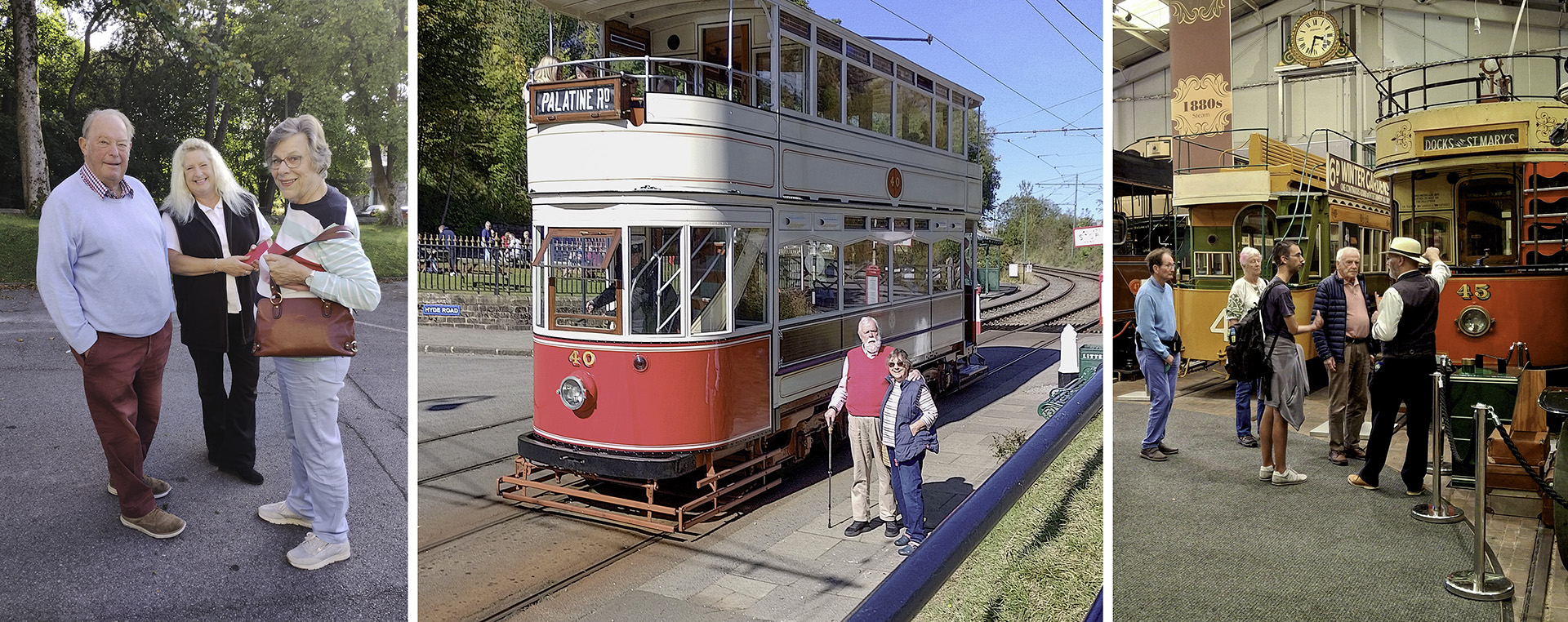
The first picture features Tim and Angela together with Sarah from Barnes Coaches. Sarah has been our driver for the past three holidays and is our first choice of driver. For relaxation she races motorcycles – this was fairly evident at times! Tony and Lynn are in the centre.
Bakewell
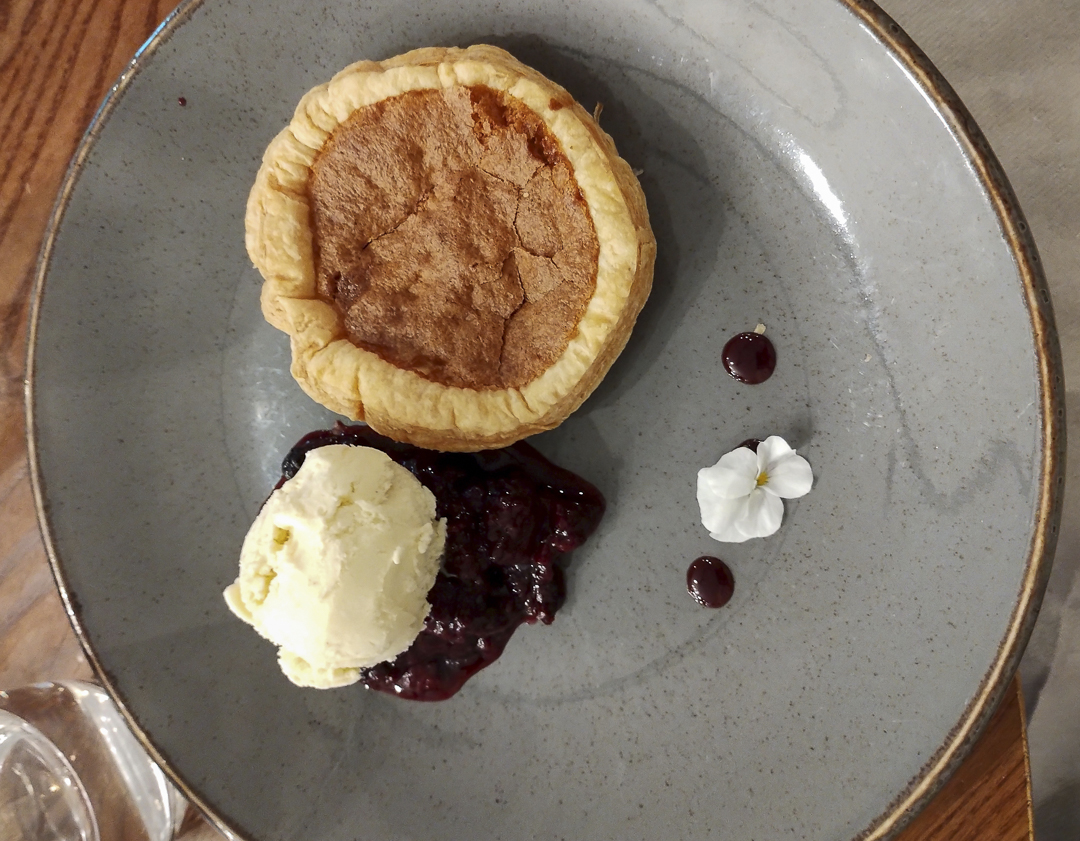
Situated on the banks of the river Wye in the Derbyshire Peak District National Park, Bakewell offers a charming visit full of rich heritage and tradition. Surrounded by glorious countryside, the town offers charming tea rooms set in cosy courtyards, impressive stone buildings, a traditional weekly market, a quaint five-arched bridge that goes back to Roman times, a Grade I listed church, a museum, historic alms-houses, and various riverside attractions.
We had lunch at the Old Original Bakewell Pudding Shop. Of course, some of us tried a genuine Bakewell Pudding. These handmade Bakewell Puddings have been sold in the building since 1860.
Cromford Mills
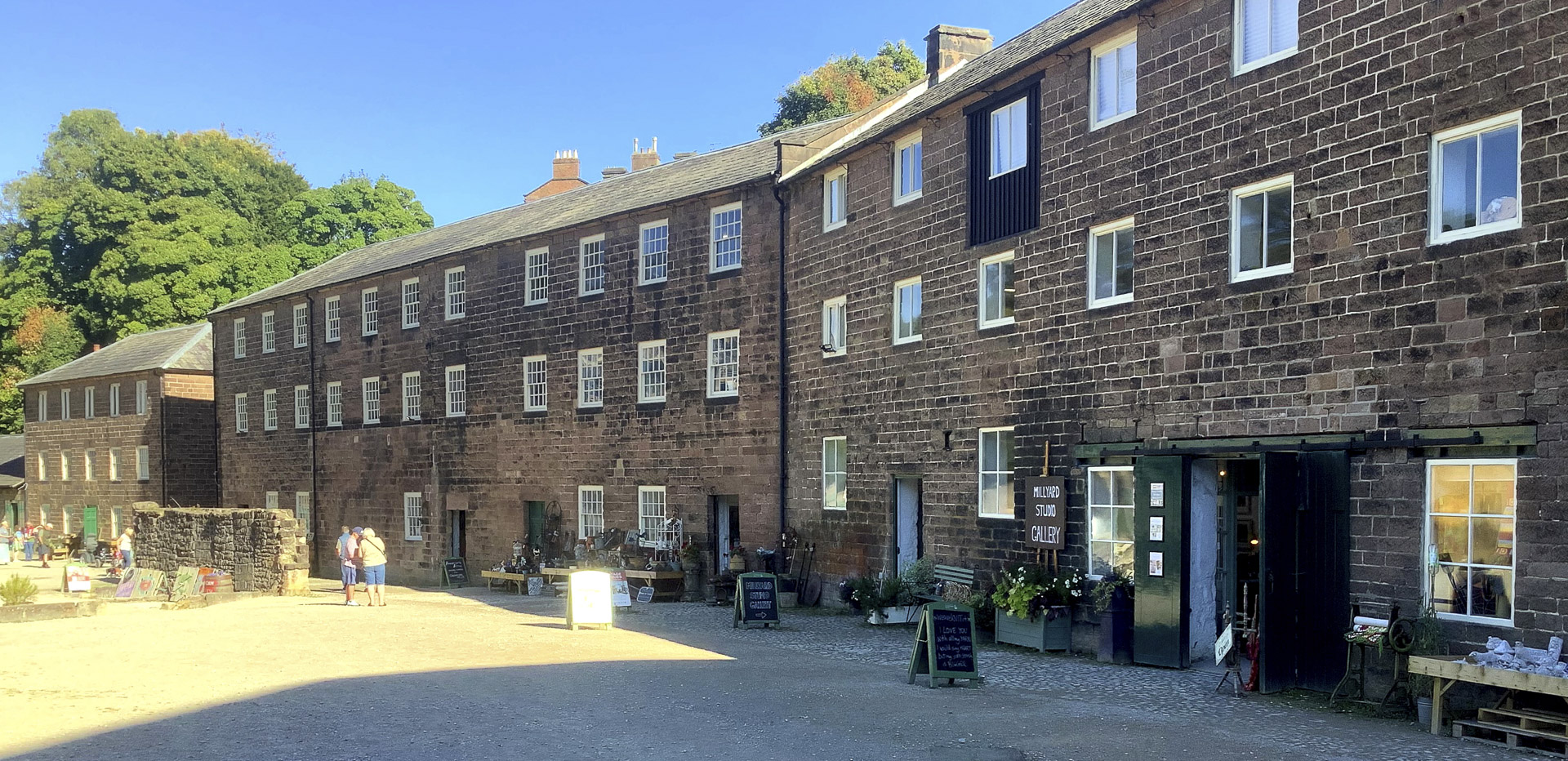
Cromford Mill, the world’s first successful water powered cotton spinning mill, was built in 1771 by Sir Richard Arkwright.
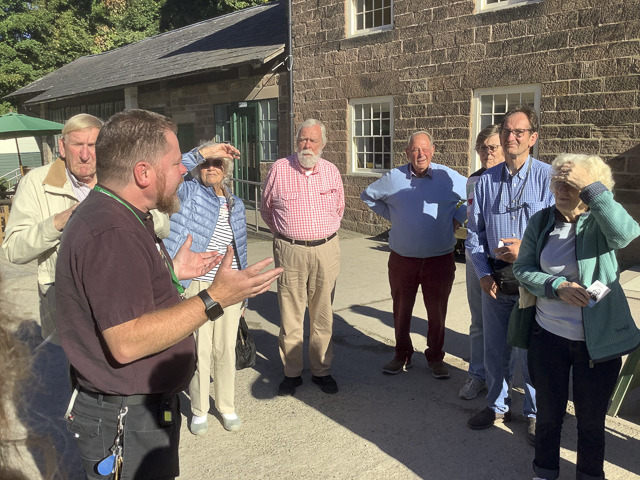
From then until around 1790, he continued to develop the mills, warehouses and workshops, which now form the Cromford Mills site. It gives a remarkable picture of an early textile factory complex.
Sir Richard Arkwright’s invention of the Water Frame to spin cotton transformed the manufacture of cotton into England’s major industry and created a system of factory production that spread throughout the world.
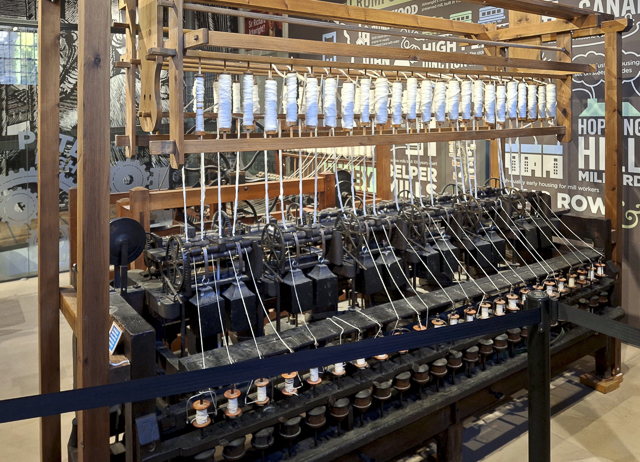
The cotton industry was a cornerstone of the industrial revolution.
Wednesday
Haddon Hall
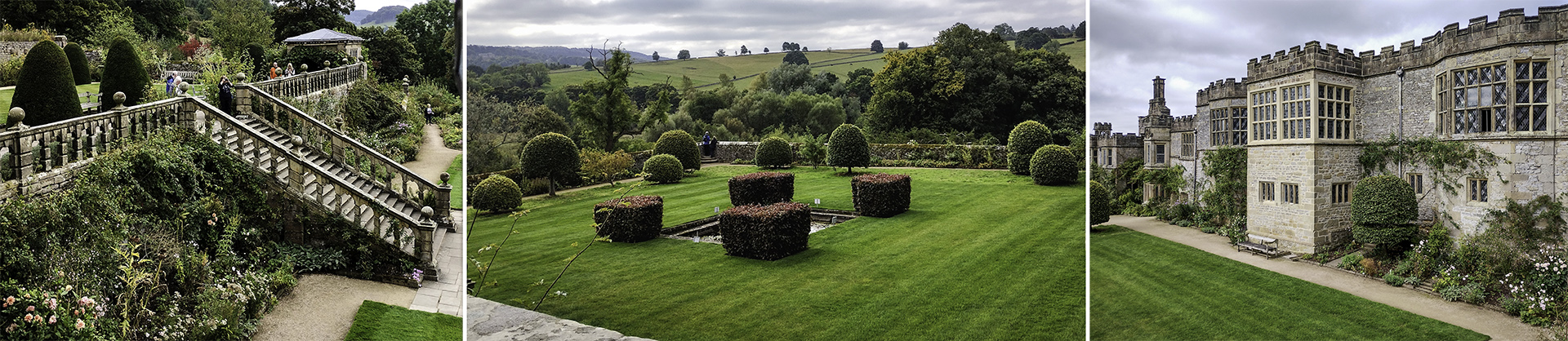
Over 900 years old, Haddon Hall is one of the country’s most elegant, historically important, and timeless stately homes. It is a magnificent example of a fortified manor house, enjoying fine Tudor and Elizabethan architecture, alongside beautiful Elizabethan walled gardens, which are renowned for their magnificent roses which cascade down the hall’s walls in the summer months. Brimming with history and stories of old, a remarkable tapestry collection; an early English furniture collection reputed to be the best of its kind in England; and stunning Elizabethan Walled Gardens, recently redesigned by Arne Maynard, Haddon is one of the most significant and oldest heritage destinations in the country
Ladybower Reservoir
Ladybower Reservoir is in the Upper Derwent Valley, at the heart of the Peak District National Park. The reservoir was built between 1935 and 1943. It was opened by King George VI on 24th September 1945.
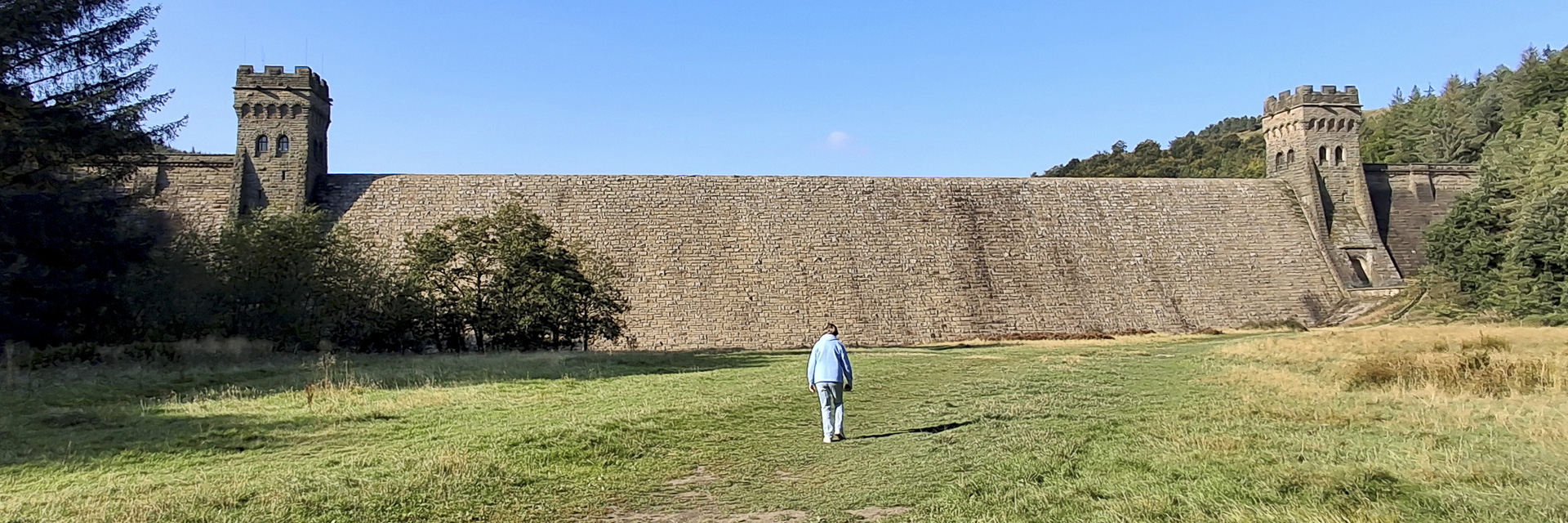
It’s a very attractive location for the storage of water, with its long deep valley and narrow points for dam building. The villages of Derwent and Ashopton were flooded to create Ladybower Reservoir, and the inhabitants were relocated to Yorkshire Bridge estate, just downstream of Ladybower Dam.
Some of us were foolish enough to tackle the steps leading to the top of the dam, a climb of some 120 feet.
Ladybower reservoir is historically significant as the place where Guy Gibson and his men trained for the raid on the dams of the Ruhr Valley.
Thursday
Calke Abbey
Built on the site of a former priory, Calke Abbey was sold to the Harpur family in the early 17th century, who extended and developed the house over several generations. Sir Henry Harpur, 7th Baronet, also expanded the lime works, a decision that brought him great wealth. The house stayed with the Harpur-Crewes until the National Trust began caring for it in 1985.
By 1985, many of its rooms had been abandoned for decades and were in a state of decay. It was decided to preserve these rooms as they were found, vividly demonstrating how country houses like Calke Abbey fell into decline.
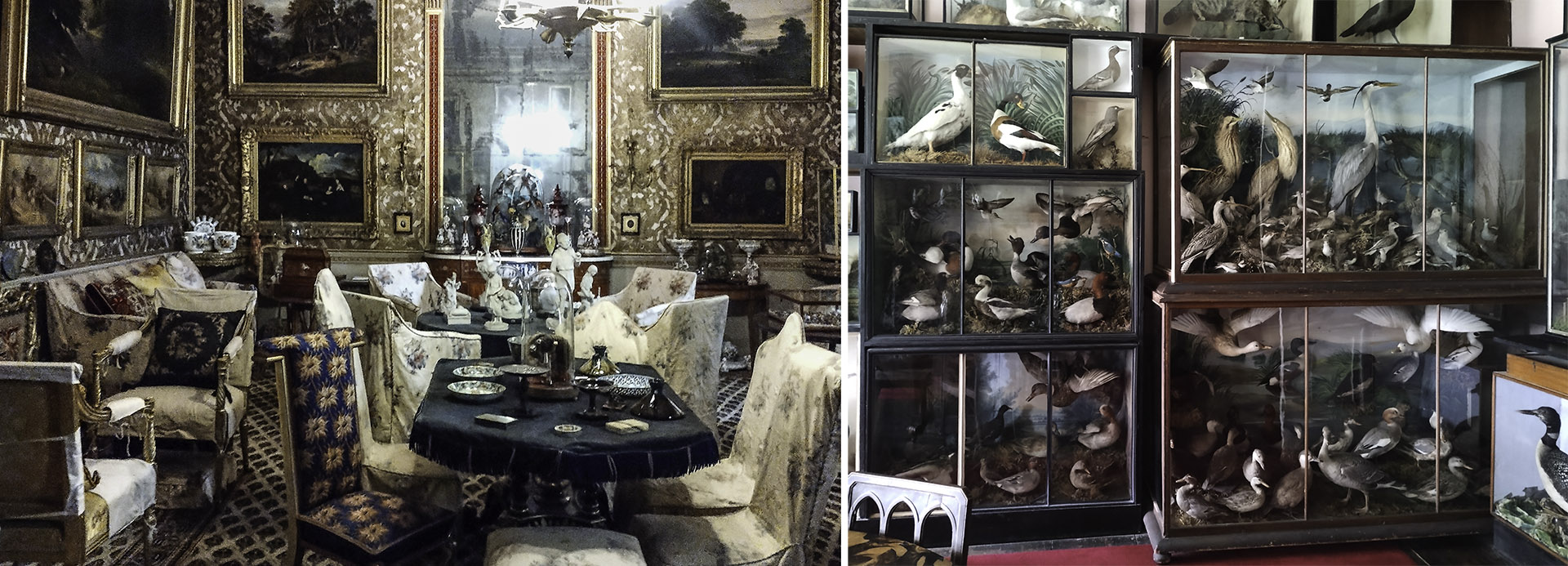
Visiting the house is journey from grandeur to abandonment. Experience state rooms, peeling wallpaper and vast collections of strange and unique objects – presented and preserved exactly as they were found.
It contains the most amazing display of stuffed birds and other animals, both indigenous and exotic.
Stoke Bruerne Waterways Museum and Canal Waterfront
The canal museum is in the pretty canal village of Stoke Bruerne along the Grand Union Canal. A historic Grade II listed corn mill with three floors of rich waterway heritage and panoramic views. This was very peaceful last break after the frenzied pace of the nearby motorway.
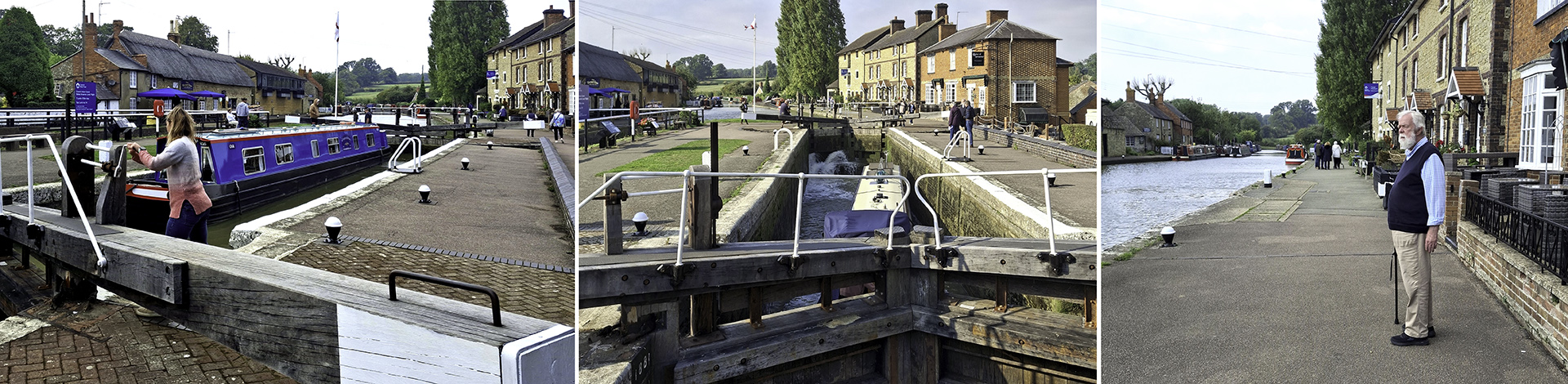
Finally, who is that old chap with a stick!
Last updated 12 November 2024